Planning Your Essex or Suffolk Wedding: Flow, Timings & Local Tips
Planning Your Essex or Suffolk Wedding: Flow, Timings & Local Tips
Planning a sophisticated celebration in East Anglia offers an unmatched blend of historic country halls, secluded dry-hire barns, and picturesque private land along the coast and rolling countryside. However, executing an effortless wedding across Essex and Suffolk requires a clear understanding of regional geography, local regulations, spacial design, event flow, and sensible timing for key activities.
To ensure your day feels relaxed, refined, and perfectly paced, this master guide covers local planning regulations & venue logistics; spatial movement & timeline synchronisation; key activity placement (such as speeches, cake cutting & the first dance), as well as entertainment flow for events planned across East Anglia.
1. Regional Regulations & Ceremony Logistics in Essex & Suffolk
Civil Ceremonies vs. Registrar Booking Systems
Both Essex County Council (Registration Service) and Suffolk County Council operate strict, independent registrar booking procedures that require early administrative planning:
- Essex County Council Bookings: Essex Registrars accept ceremony bookings up to 3 years in advance for approved venues across the county. Couples must book their venue and registrar simultaneously, followed by giving formal Notice of Marriage in their home registration district within 12 months of the wedding date.
- Suffolk County Council Bookings: Suffolk Registration Service allows couples to book their ceremony up to 2 years in advance. Similar to Essex, Notice of Marriage must be formally lodged once within the 12-month window preceding the date.
- Strict Hourly Time Slots: Civil registrars operate on tight, fixed hourly schedules (typically offering hourly slots between around 11am and 4pm). Because registrars often have multiple ceremonies booked across different venues in the county on the same day, sticking closely to your pre-ceremony timeline is essential. Registrars conduct mandatory, separate 15-minute interviews with each partner prior to the aisle walk- if your morning prep. or travel runs late, it can disrupt the ceremony window or shorten your registrar’s available stay.
The Celebrant Option: Total Freedom for Your Celebration & Schedule
If you want to bypass the rigid constraints of council time slots, legal wording, or venue licensing boundaries, and experienced a more personalised, relaxed ceremony, opting for an independent Wedding Celebrant offers ultimate flexibility:
- Schedule Autonomy: Unlike registrars bound to fixed hourly departure slots, a celebrant dedicates the day to your ceremony. If your morning preparation runs slightly over or you want a unique ceremony start time, your timeline has room to breathe.
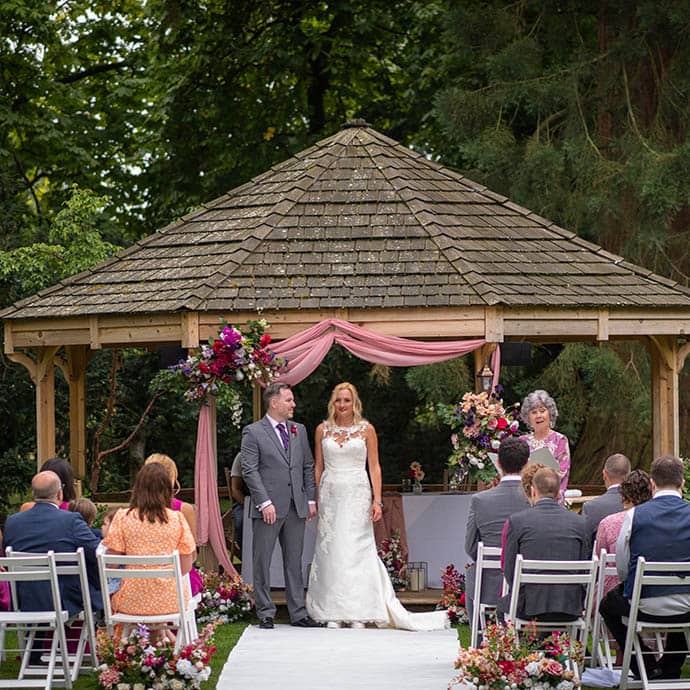
- Location Freedom: You are no longer restricted to licensed indoor rooms or permanent structures. A celebrant-led ceremony allows you to exchange vows anywhere on your venue’s grounds- from private coastal gardens and ancient woodland clearings to open marquee lawns and family land across Essex and Suffolk.
- Bespoke Storytelling: Celebrant ceremonies let you personalise every word, incorporate symbolic rituals, write bespoke vows, and include music or readings of any style without statutory limitations
- How it works: You simply complete the quick legal formalities ("signing the book") at your local registry office beforehand or afterwards, leaving your wedding day entirely open for a personal, unhurried celebration.
To explore the differences between Registrar-led services, Church ceremonies, and Celebrant-led celebrations, read my
Sound Limiters & Council Curfews
Many rustic barns and historic estates situated near quiet East Anglian villages enforce strict environmental health noise limits:
- DB Limiters: Venues equipped with automatic power-cut limiters (often set around 90–95 dB) require careful management with live bands or high-energy DJs.
- Local Curfews: Live music in rural Essex and Suffolk usually carries an 11 p.m. or 12 p.m. outdoor noise curfew, requiring evening entertainment to move inside after a specified hour.
Venue Models & Private Land Infrastructure
Whether selecting a traditional estate or an agricultural plot, matching your vision to your venue canvas dictates your operational footprint:
- Venue Selection: When exploring country estates or barn spaces across East Anglia, consult my guide on How to Choose Your Wedding Venue or browse my curated list of Recommended Essex & Suffolk Venues.
- Dry Hire Blank Canvases: Renting a character-filled space without in-house suppliers requires you to identify catering, bars, and staffing amongst other things. Explore my Dry Hire Wedding Venue Guide for exact requirements.
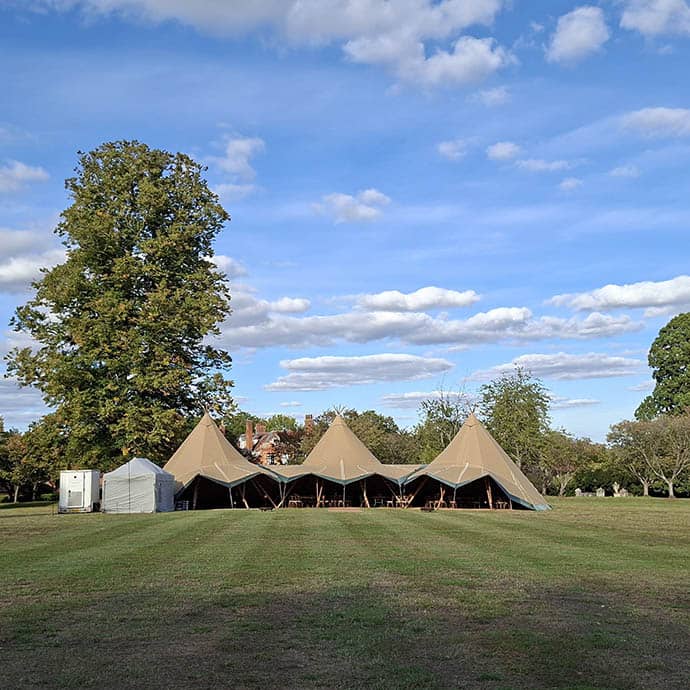
- Private Land & Marquee Logistics: Building an event space from scratch requires lots of behind the scenes considerations, including clear access for 40-foot supplier lorries, generators for power, fresh water access, and luxury restrooms. Read my Ultimate Guide to Marquee and Private Property Weddings for infrastructure planning.
2. Spatial Flow: Moving Through Venue Spaces
A well-orchestrated wedding moves seamlessly through distinct areas of your venue without awkward pauses or bottlenecked guest movement. For example:
Ceremony Space e.g. Chruch/Lawn/Barn
⬇
Drinks Reception e.g. Courtyard/Terrace/Lawn
⬇
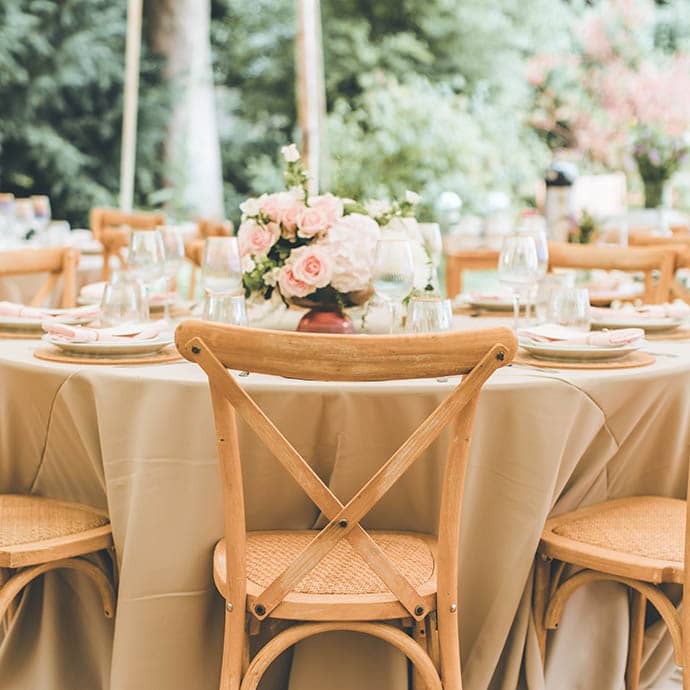
Wedding Breakfast e.g. Dining Room/Dining Canvas/Marquee
⬇
Evening Party e.g. Ballroom/Main Hall/Evening Marquee
Key Spatial Guidelines:
- Avoid Overlapping Rooms: If your ceremony and wedding breakfast share the same room, plan a dedicated 90-minute outdoor cocktail hour in a garden or courtyard while your coordination team executes a seamless room flip behind closed doors.
- Weather Contingencies: Ensure your rain alternative doesn't compress your cocktail space into the same room where tables are being set for dinner.
- Bar & Dancefloor Proximity: Keep your evening bar in close proximity to your dancefloor so guests remain central to the main party atmosphere.
3. Harmonising Your Day: The Power of a Shared Master Timeline
The most critical factor in achieving a flawless, relaxed wedding day is ensuring that every single supplier is working off the exact same time schedule.
When suppliers operate off individual schedules, misunderstandings happen: caterers may be ready to serve starters while the photographer is mid-way through group shots, or the band may arrive to set up sound gear while speeches are still taking place.
Why A Centralised Schedule Matters:
- Synchronised Vendor Team: When your caterer, florist, photographer, band, and venue contact share one unified, audited master timeline, the entire team moves in harmony.
- Dedicated On-Site Oversight: Having a professional coordinator (like Camellio) on site to manage the schedule means someone is constantly tracking micro-timings, adjusting transitions, and liaising between vendors behind the scenes.
- Total Peace of Mind: With an expert steering the day to keep everything running to plan, you, your partner, and your families remain entirely free to celebrate without looking at a clock.
Explore Coordination Support
To learn how we manage supplier alignment weeks prior and execute master schedule oversight on the day, explore my
4. Scheduling Key Activities: Speeches, Cake & First Dance
While every timeline is entirely bespoke depending on your venue, menu, and personal preferences, scheduling your main activities strategically maintains energy and momentum throughout the day. The overarching rule is simple: give every element plenty of time to breathe, but keep key moments connected.
Flexible Placement & Styling of Speeches
Forget rigid traditions- you can completely mix up when and how you do your speeches to suit the atmosphere of your celebration!
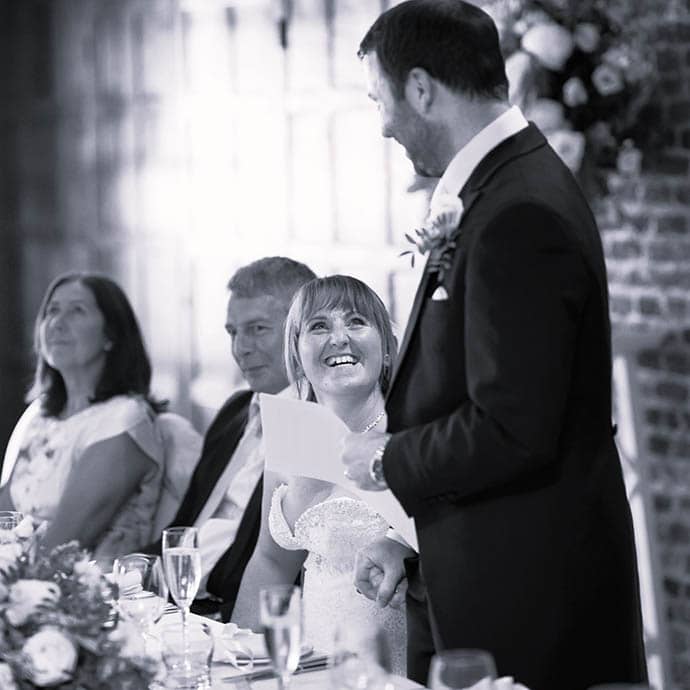
- Before the Meal (Seated or Standing): Getting speeches done right at the start gets the nerves out of the way so speakers can fully relax and enjoy their food. Depending on your style, this can be done seated at the dining tables, or even informally standing around cocktail tables during the end of the drinks reception with a glass of champagne in hand.
- During Dessert or Tea & Coffee: A fantastic modern option is scheduling speeches during dessert service or while tea and coffee are served after the meal. One of my recent couples scheduled their speeches during dessert- guests could happily indulge in dessert while listening, creating a warm, relaxed dining atmosphere.
- Course-Split: Spreading speeches between courses (e.g., Father of the Bride before starters, Groom after mains, Best Man after dessert) breaks up a multi-course dinner and keeps energy levels high throughout the meal.
- Traditional (After the Meal): Keeps food service moving promptly from the start, though speakers do have to wait through the meal before taking the mic.
Planner's Tip: Limit the total speech duration to 30–40 minutes across all speakers to avoid kitchen delays or guest fatigue, and strictly no longer than 1 hour!
Need help crafting memorable, stress-free toasts?
Timing the Cake Cutting & First Dance
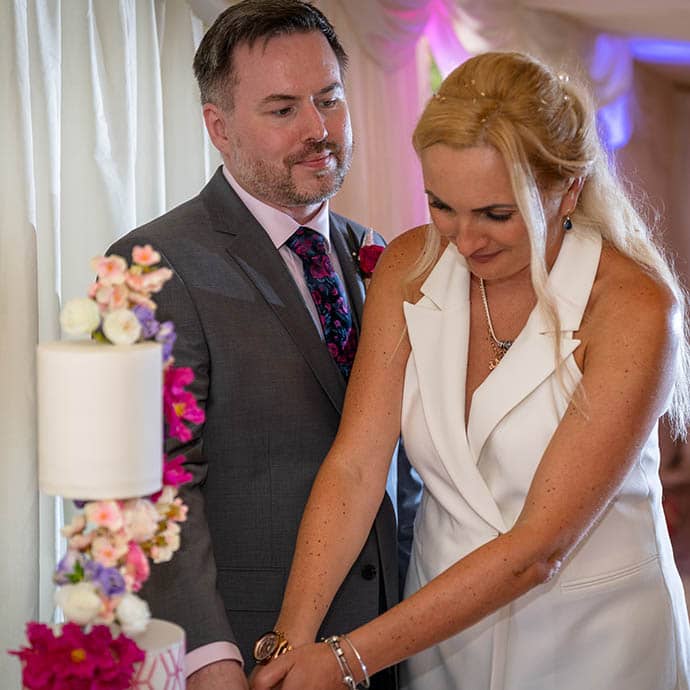
To avoid disrupting the evening momentum, combine your cake cutting and first dance into a single, high-impact window:
- The Seamless Evening Transition: Schedule your cake cutting around, just after the evening guests arrive to incorporate the transition from dinner to the party space.
- Flow Directly Into the First Dance: Gather your guests around the cake for photos, cut the cake, and immediately invite everyone to transition to the dancefloor for your First Dance. This anchors guest attention and smoothly launches your live band or DJ set.
- Late-Night Food: Serve evening bites (e.g. wood-fired pizzas, gourmet sliders, or cheese boards) roughly 2 to 2.5 hours after the wedding breakfast concludes, to refuel dancing guests without competing with dinner.
5. Pacing Principles: Photos & "No-Rush" Guest Care
To create a day that feels completely unhurried for you while keeping your guests relaxed and entertained, keep these core pacing principles in mind:
- Morning Preparation Buffers: Hair and makeup almost always take longer than anticipated. Adding a generous 30-minute cushion before "step-into-dress" time prevents frantic morning energy and ensures you start the day feeling calm and grounded. Explore my guide on How to Spend the Morning of Your Wedding for timing tips and morning rituals.
- Post-Ceremony Gathering: Don't expect to walk straight into family photos after the aisle exit. Guests will naturally surround you with hugs and congratulations- embrace this 15-minute spontaneous window.
- Dedicated Photography Windows (Without Guest Lulls): Great photography requires time, but you never want your guests standing around waiting for the couple to return. Plan a generous 90-minute cocktail hour, but curate the guest experience in parallel:
For the Couple:
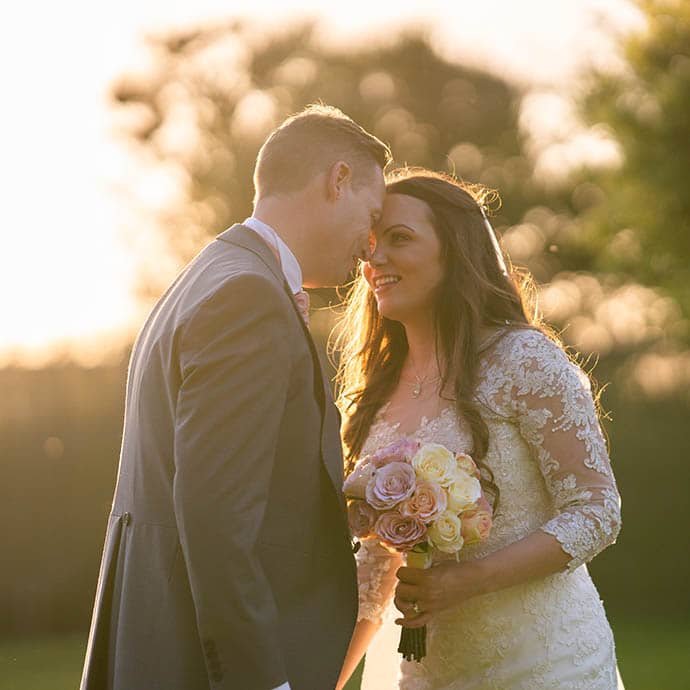
Allocate 20–30 minutes for formal group photos and a relaxed 20-minute couple portrait session (saving a second 10-minute slot for golden hour light later). Read my complete guide to Wedding Photography Logistics & Timelines to ensure your shot list flows naturally without rushing.
For the Guests:
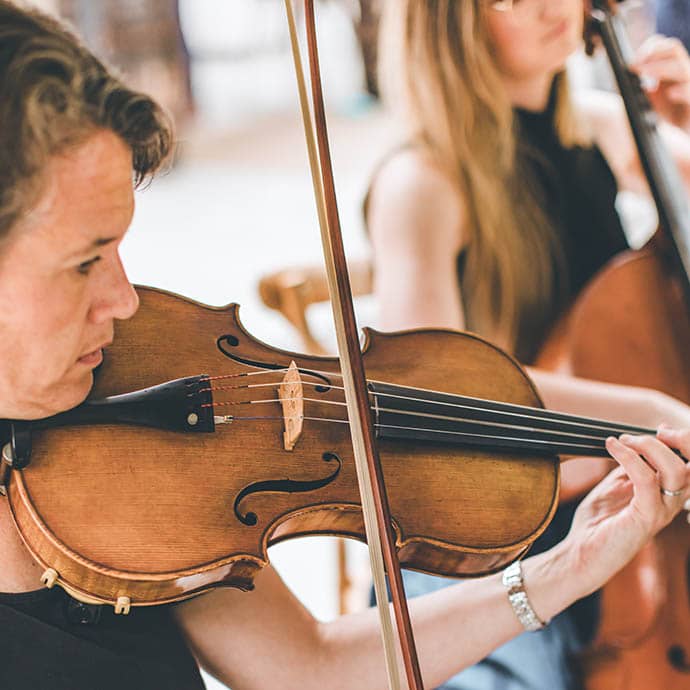
Keep guests engaged with free-flowing canapés, signature cocktail stations, subtle ambient music (like an acoustic duo or jazz trio), and interactive entertainment across country house terraces.
- Buffer Everything (Without Dragging Out!): Build a 10 to 15-minute cushion between major transitions so your day flows smoothly and you never feel rushed. However, keep these buffers intentional- if gaps get too long, the day loses momentum and guests can start to feel bored or restless. The magic is in striking that perfect balance between an unhurried pace and a lively, engaging atmosphere.
6. Curating Atmosphere: Shifting Energy & Guest Entertainment
Entertainment is so much more than background music- it's the subtle heartbeat of your wedding day. As you move through different spaces and phases of your venue, shifting your entertainment style creates a distinct, immersive atmosphere for each stage of the celebration, mirroring the natural energy of your guests from morning until late night.
Matching Music & Sound to the Pacing
- Ceremony: Soft, elegant accompaniment- such as a string quartet, harpist, acoustic guitarist or live vocalist, anchors the emotion of the procession and register signing.
- Drinks Reception: Transitioning to an upbeat jazz trio, roaming saxophonist, or steel pan ensemble encourages guest interaction as congratulations begin.
- Wedding Breakfast: Low-key acoustic covers, curated background playlists, or classic vocalists & pianists maintain a warm dining atmosphere without competing with table conversation.
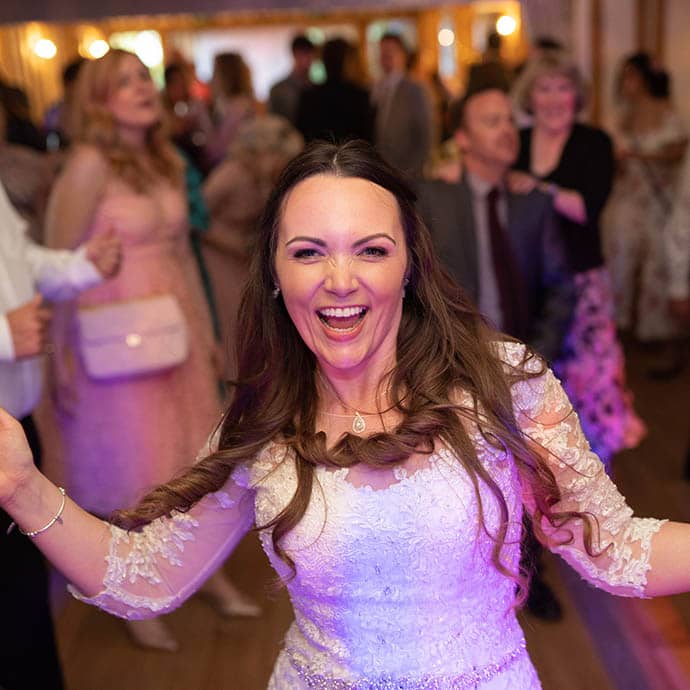
- Evening Party: High-energy party bands, DJ-and-brass collectives, or ceilidh ensembles pack the dancefloor and launch the late-night celebration.
Planner's tip: Always try to see live bands in person before booking!
For an extensive list of performance ideas, alternative acts, and supplier considerations, read my guide on
Interactive & Seasonal Reception Entertainment
To keep guest energy high during drinks receptions or quiet transitions, incorporate interactive experiences tailored to your season and venue canvas:
- Spring & Easter Celebrations: Outdoor barn or tipi weddings pair wonderfully with rustic farm pop-ups (baby lambs or bunnies) for a relaxed, charming pace.
- Summer Countryside Lawns: Sunny estate gardens are made for giant lawn games, mini-golf setups, or vintage fairground rides.
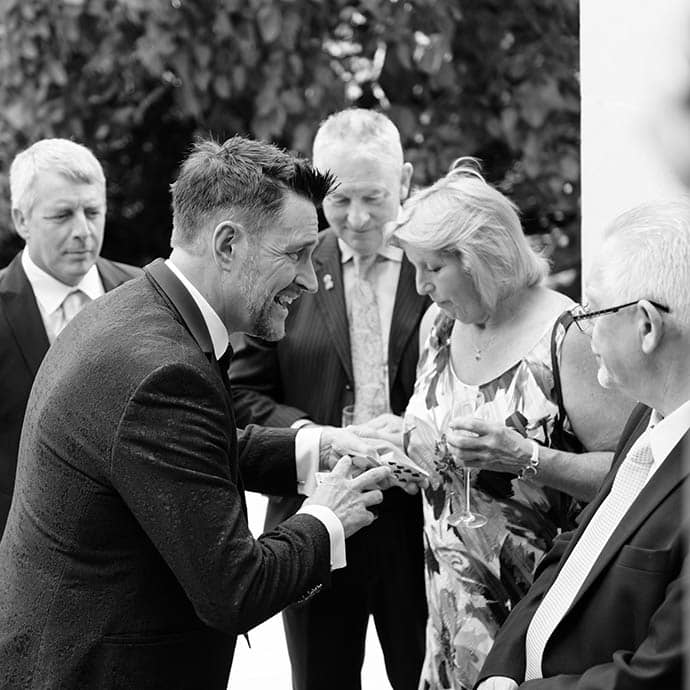
- Autumn & Winter Gatherings: Close-up magicians moving table-to-table provide personal, magical moments indoors, while marshmallow toasting over outdoor fire pits keeps evening guests cozy.
- Creative Evening Touchpoints: From 360 photo booths, caricaturists, and live event painters to singing waiters, casino tables, or sparkler send-offs, non-musical entertainment keeps non-dancers thoroughly engaged.
Delighting Every Generation (Happy Kids = Happy Parents!)
When planning a wedding that brings together family and friends across all age groups- from toddlers to grandparents- thoughtful guest care is the secret to an effortless atmosphere. Providing dedicated entertainment for younger guests ensures little ones stay happy while giving parents full freedom to relax and celebrate:
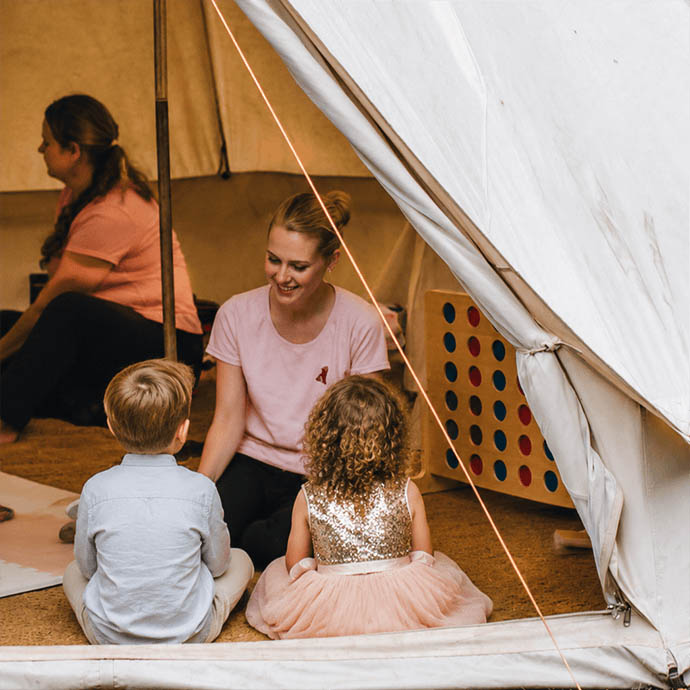
- Dedicated Kids' Corners: Set up a stylish getaway space equipped with soft play, activity books, games, and cozy teepees.
- Activity Packs & Scavenger Hunts: Custom coloring books, puzzle packs, or venue treasure hunts keep young minds busy during longer moments like speeches.
- Professional Childcare & Entertainers: Hiring dedicated children's entertainers or creche services gives parent guests the opportunity to let their hair down and enjoy dinner and evening dancing.
For more advice on creating an inclusive, memorable event for guests of all ages, read my guide on
Regional Planning Support Across East Anglia
Executing a complex, sophisticated celebration across Essex or Suffolk requires local supplier networks, accurate spatial planning, and precise timeline curation.
Whether you need assistance evaluating venue infrastructure, creating your bespoke schedule, or managing on-the-day operations, explore my On-the-Day Coordination Service or The Signature Coordination Service.
Like it, Share it!
Like it, Share it!